

Legal Status of CBMPs
Statement on the Legal Status of Cannabis-Based Medical Products (CBMPs) We would like to clarify the legal status
Conditions that can be treated with Cannabis Based Medical Products (CBMPs)…
Over the past few decades, medical cannabis has emerged as a promising therapeutic option for a wide range
What are Cannabis Based Medical Products
What is Medical Cannabis? What is it treated for? Cannabis Based Medical Products (CBMPs) or Medical Cannabis are medications derived from the cannabis plant, containing cannabidiol (CBD) and/or Tetrahydrocannabinol (THC – which is the psychoactive substance in cannabis). In the UK medical cannabis has been legal since 2018 for the treatment of psychological, neurological, and chronic pain conditions as well as, palliative and/or end of life care: for sake of brevity a full list of conditions treated in the UK is highlighted in eligibility section of this website. What’s the eligibility criteria? With cannabis based medical products (CBMPs) being unlicenced, the census would be for patients to evidence unmet clinical needs i.e., their health is not improving despite having ongoing treatment or interventions via conventional healthcare services. It is important for all patients to recognise that due to cannabis containing a psychoactive substance, for the safety of potential patients, if you have any of the diagnosis listed in the exclusion criteria, you will not be eligible. We would advise these patients to liaise with their consultants at the NHS and explore an alternative treatment method to support their health needs. Patients have a right to a second opinion, provided they do not have any counterindications listed in the exclusion criteria below. Patient’s must be over 18 years of age. Exclusion Criteria?
Let’s Talk About CBD!
Using CBD Holistically…
Busting Endometriosis Myths!
Can THC Pessaries Revolutionise Pain Relief? Authors: Kel Myers & Ally Crowe Introduction “It’s just a bad period.”
We’re Disabled, Not Dead!!!
When every day comes with its own challenges, it’s very hard to remember that we’re human first and
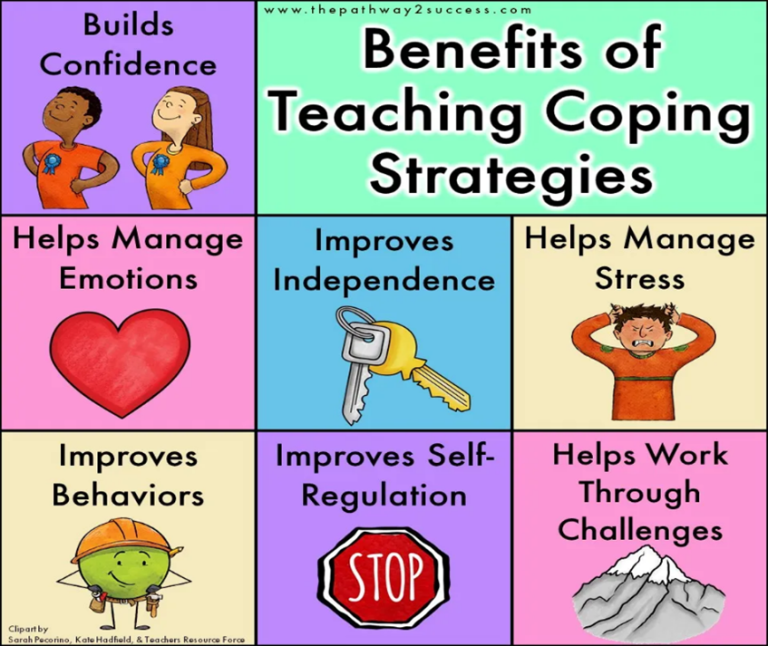
Understanding Coping Mechanisms
Coping mechanisms refers to the strategies we use to help us manage stressful or uncomfortable situations, which in
Building Resilience & Managing Emotions
We live in a world where everything has become so hustle and bustle and taking time out to
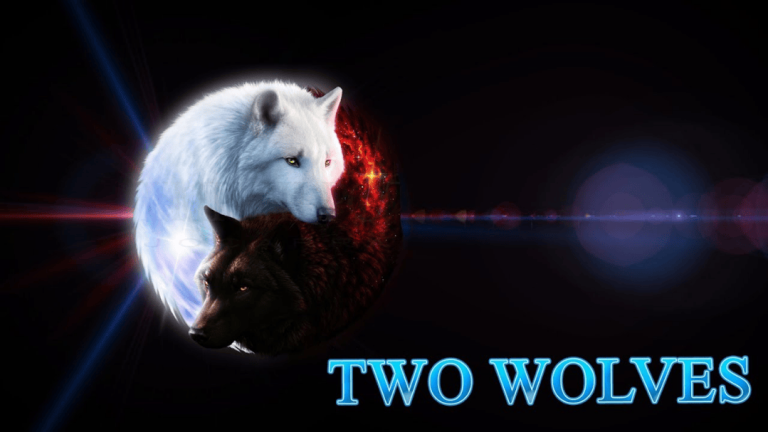
The Parable of the Wolf
The 2 Wolves The “Parable of the Wolf” is an old Cherokee story, that serves as a morale guidance and lessons around human nature, inner conflict and the choices we make. The parable is often used to highlight the importance of mindfulness, self-awareness, and personal responsibility in shaping our character and lives. This parable is designed to teach us that inside of us is a healthy balance of 2 forces, one negative and destructive, the other positive and nurturing. The choices we make, our thoughts, actions, and concentration, determine which force will govern our lives. By “feeding” the good wolf, we cultivate qualities like compassion, love, and wisdom. Conversely, by “feeding” the bad wolf, we allow negativity and harmful traits to grow, ultimately, the choice is ours to me, we are in control! Takeaway It is important to note, positive and negative emotions are a part of us all, and they are healthy! We decide which part of us we want to nourish, so instead of fleeing from your emotions, process them and harness the good wolf within you, only you have the power to make that change!
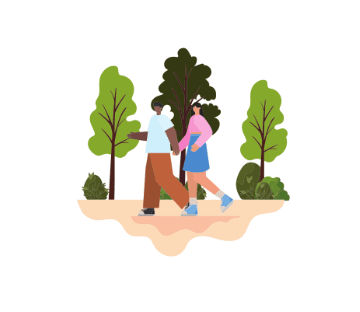
Benefits of Walking
A simple guide to walking Walking is an accessible, low-impact, and effective form of exercise that offers a wide array of benefits for both physical and mental health. Whether you walk for fitness, relaxation, or transportation, incorporating regular walks into your routine can help you lead a healthier, happier, and more balanced life. Walking a minimum of 30 minutes daily or 10k steps, is recommended due to its added benefits to your overall health and wellbeing. For more information on walking and tips and tricks on how to stay active, please visit: Walking for health – NHS. Disclaimer – Please note, all advice given is based on various healthcare models that have been proven to support patients with sustainability and backed by Public Health England (PHE). Nonetheless, you should run any changes to your routine by your GP as they are your primary carer, it is also important that any other healthcare professionals involved in your care is involved in your goal planning. Don’t forget they hold your medical records and would be familiar with you; this will help everyone to be on the same page and will also
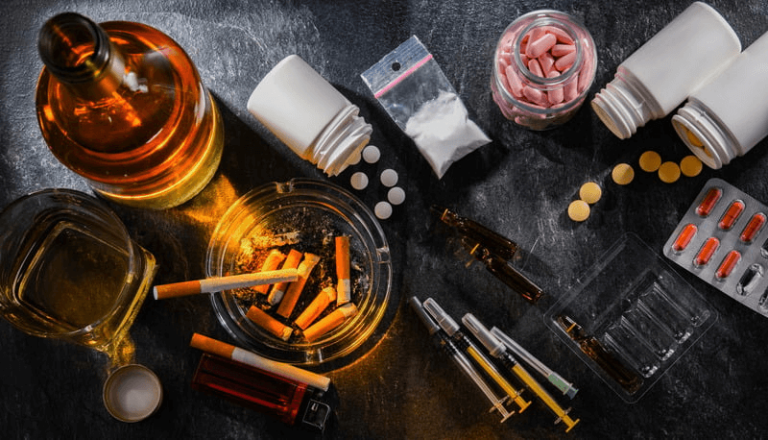
Impact of Substance Misuse on the family
In honor of World Children’s day – 20th Nov 2024 Introduction Substance misuse or substance misuse disorder is exceptionally misunderstood, with often people not recognising that they could potentially be misusing substances or become reliant on them: this includes your medications. This piece briefly touches on awareness of excessive use, to the point of addiction i.e., uncontrolled use. Substances can be misused by anyone and although there are a variety of contributing factors towards misuse and addiction, there is no specific gene for addiction, making it challenging to determine who can succumb to it. A lot of people are unaware that any medications, despite it being prescribed can be misused,
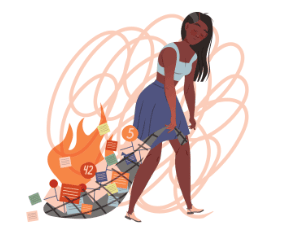
Signs of Burnout
Burnout is described as a state of physical, emotional, and mental exhaustion caused by prolonged stress, overwork, or a lack of fulfilment, often in the context of one’s job or daily responsibilities. Burnout is heavily associated with stress, as chronic stress can lead to a state of burnout. Burnout for a lot of people presents predominantly as feelings: overwhelmed, disengaged, drained and/or mentally exhausted, which can lead to reduced productivity, lack of motivation, and often low mood, which can impact your overall wellbeing. Burnout generally has three main components: i.Emotional exhaustion: Feeling drained and unable to cope with the pressure of your day-to-day life. Usually, your head is too full to be able to take anything in, and therefore you feel very mentally exhausted and struggle to engage fully in anything. ii.Depersonalization: A sense of detachment or feeling negative about your day-to-day life, you feel essentially numb, this is your body’s natural way of keeping you stable but can work against you in terms of relatability. This can often lead to people having less empathy or interests towards elements of their lives, which can often impact your relationship with others. iii.Reduced personal accomplishment: A feeling of incompetence or a lack of achievement, often accompanied by doubts about one’s ability to meet the expectations or demands placed on them. This often occurs as a result of you knowing